


Why Burlap Sacks Are the Sustainable Choice for Coffee and Grain Storage
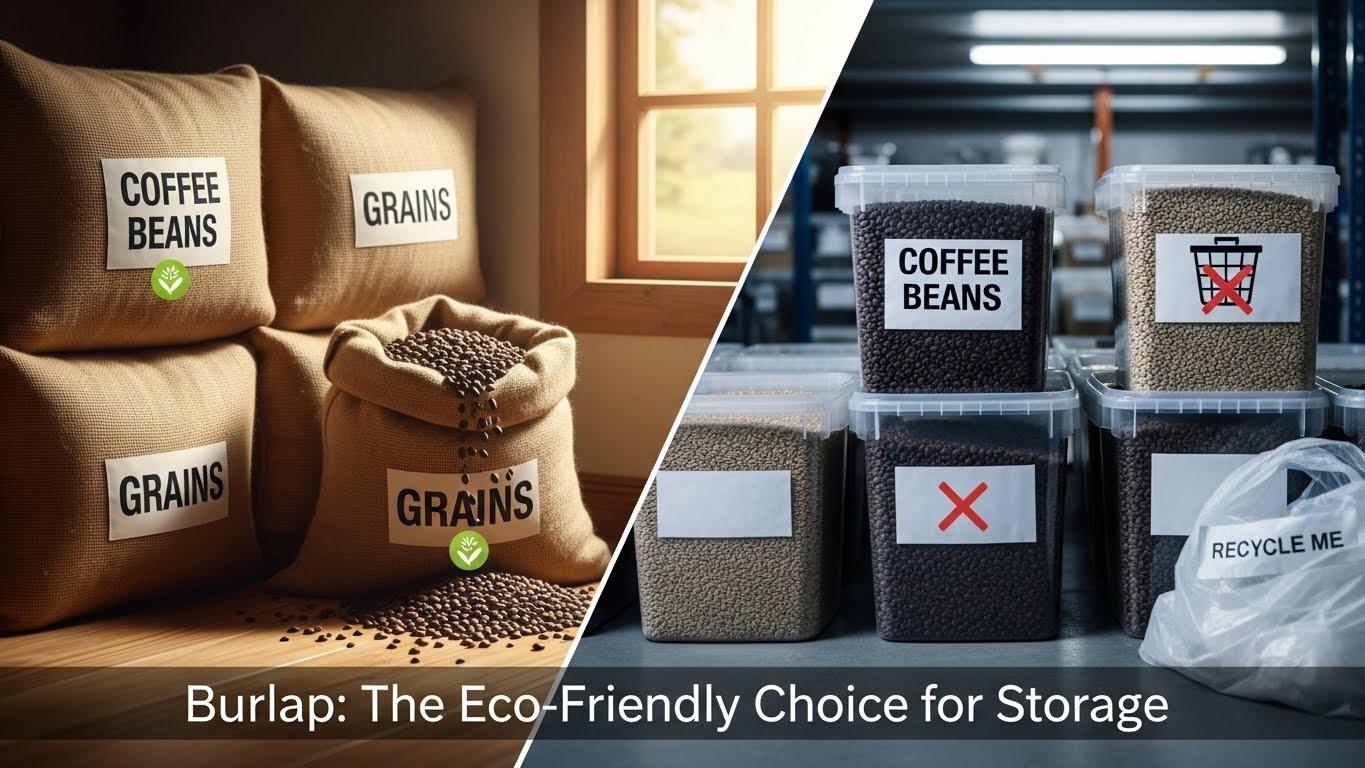
Before the fragrant, roasted beans arrive packaged and ready for your morning ritual, they embark on one of the longest and most demanding journeys in global commerce. This epic voyage begins on the sun drenched slopes of our Hawaiian estate and crosses oceans to reach roasters worldwide. While the quality of the green coffee bean is paramount, the unsung hero of this entire transport process is the very container that holds the unroasted seeds secure. This humble, textured material serves as the essential guardian, protecting the nuanced flavors of the Kona microclimate against the harsh realities of handling, fluctuating temperatures, and long storage times. Understanding this packaging is to gain a deeper appreciation for the meticulous dedication required to bring truly exceptional coffee from its origin to your kitchen.
The Unsung Hero of Transit
The material of choice for this demanding task is a natural fiber derived from the jute plant, often referred to as hessian. Jute is frequently called the "golden fiber" because of its rich color and inherent value in sustainable agriculture. This material is chosen specifically for its remarkable combination of strength and breathability. Unlike synthetic materials that trap moisture and risk condensation—a critical factor that can lead to mold and ruin a batch—the coarse, open weave of the jute allows for essential airflow. This natural ventilation enables the raw, green coffee to "breathe" during transit, helping to stabilize the internal moisture level and preserve the delicate biochemical makeup of the bean. Durable enough to reliably hold upwards of sixty kilograms, this packaging is the physical embodiment of resilience, designed to withstand the rigors of bulk handling without compromising the precious contents within.
A Canvas of Global Commerce
The very function of this time honored packaging connects the present day coffee trade directly to centuries of global exchange. Long before advanced logistics and container ships, these fibrous containers facilitated the movement of agricultural products across continents. Each sack tells a silent story of its origin, often marked with stenciled designs, codes, and weights that signify its contents and provenance. The aesthetic of the rough, woven textile, adorned with the bold branding of the exporting region, has become an iconic visual shorthand for quality, tradition, and global trade. The enduring image of coffee transport, from the ship docks of ancient ports to the modern loading bays of today’s roasters, is undeniably tied to these humble burlap sacks, which have been the traditional container of choice for centuries and remain a symbol of raw, unprocessed quality. When you encounter one of these artifacts, you are touching a piece of history that has directly protected the green treasure within.
Capturing the Spirit of the Farm
Our sacks carry an extra layer of meaning, specifically representing the prestige and limited nature of genuine Hawaiian product. Given the highly sought after status of our Kona coffee, every sack bearing our mark acts as a guarantee of authenticity and a signature of the estate's commitment to excellence. While bulk commodity sacks may feature generic designs, the ones used to transport our premium beans showcase the distinct branding that signifies product grown only on our designated slopes. They carry the subtle, sweet aroma of the green bean, acting as an olfactory signature of the specific volcanic soil and the microclimate that created its flavor. These pieces are more than just transport vessels; they are genuine souvenirs of our farm, carrying the very essence and spirit of Aloha woven directly into the natural fibers of the textile.
The Second Life: From Cargo to Creation
The beautiful natural fiber and rugged durability of these sacks mean their utility does not end once the coffee beans are extracted. Jute is inherently sustainable, being 100 percent natural, compostable, and reusable, aligning perfectly with modern eco conscious principles. We encourage our customers to recognize the potential for upcycling, transforming these used cargo shields into functional, rustic, and decorative items for the home and garden. The versatility of the material lends itself to countless creative projects. Crafters routinely transform the sturdy fabric into bespoke tote bags, unique throw cushions, or robust upholstery for small furniture pieces, utilizing the graphic printing as a bold design element. Gardeners find the breathable material invaluable, using the fabric as weed barriers, compost covers that regulate moisture, or even cutting edge planter pots that allow for excellent soil drainage.
Supporting Sustainable Practice
By reusing and repurposing these containers, you participate directly in our commitment to a circular economy. In an industry that is constantly seeking more sustainable alternatives to plastic or non biodegradable packaging, the traditional jute sack stands as a powerful example of functional environmentalism. Every sack given a second life reduces landfill waste and honors the material's origins. Choosing to acquire and utilize one of these unique pieces means you are purchasing a durable, historical artifact that simultaneously reduces your environmental footprint. It is a unique way to celebrate the conclusion of the bean's long journey while starting a new, creative one for the material itself.
Conclusion
The sack that safeguards the finest Hawaiian green coffee is much more than a simple container; it is an enduring symbol of tradition, sustainability, and quality control. From its function as a breathable protector during transit to its potential as a rustic, creative centerpiece in your home, this woven material embodies the rich, complex story of coffee. We are proud to offer these pieces of our farm's history, inviting you to connect tangibly with the world of Kona coffee beyond the cup. They are a timeless keepsake of quality and a testament to the fact that excellence is protected every step of the way.

 English
 Arabic
 French
 Spanish
 Portuguese
 Deutsch
 Turkish
 Dutch
Dutch
 Russian
 Romaian
 Portuguese (Brazil)
 Greek
Greek