


Back to Darkness: Why Diablo II Resurrected Still Defines the ARPG Genre
More than two decades after its original release, diablo2 resurrected proves that some legends never fade. As a faithful remaster of the classic action RPG, Diablo II Resurrected brings modern visuals and smoother performance while preserving the deep systems and dark atmosphere that made the original unforgettable. In an era crowded with fast-paced loot grinders and seasonal live-service titles, returning to this world feels like stepping into a cathedral of pure, uncompromising design.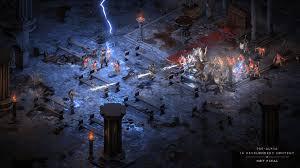
The first thing players notice is the dramatic visual overhaul. The gothic environments, from the haunted plains outside the Rogue Encampment to the burning chaos of the River of Flame, have been rebuilt with striking detail. Lighting effects flicker across damp dungeon walls, spells explode with vibrant energy, and enemy designs feel more grotesque than ever. Yet underneath the surface, the original game engine remains intact. With a simple toggle, players can switch between the remastered graphics and the classic look, a feature that highlights just how carefully the developers preserved the core experience.
What truly keeps Diablo2 Resurrected alive, however, is its uncompromising gameplay depth. Character builds are not handed to the player; they are discovered through experimentation, research, and sometimes painful mistakes. Skill trees demand commitment. A poorly allocated point can reshape an entire playthrough. This design philosophy creates meaningful choices that many modern RPGs shy away from. When a build works, it feels earned rather than granted.
Loot remains the beating heart of the experience. Every monster defeated carries the potential for a transformative drop. The excitement of seeing a unique item name glow on the ground has not diminished with time. Runes and runewords add another layer of complexity, encouraging players to farm specific areas repeatedly in pursuit of powerful combinations. The grind is real, but it is purposeful. Each run into a dungeon carries tension because the next kill might change everything.
Multiplayer adds a different kind of energy. Cooperative sessions amplify both danger and reward, while trading fosters a vibrant player-driven economy. Hardcore mode, where death is permanent, introduces stakes rarely seen in contemporary games. The sense of risk makes every encounter matter. Survival is not guaranteed, and that uncertainty fuels adrenaline.
Sound design also deserves recognition. The haunting soundtrack and echoing dungeon ambience deepen immersion. The world feels oppressive and lonely, reinforcing the narrative of humanity standing against overwhelming demonic forces. Even without constant story exposition, the atmosphere tells its own tale.
Ultimately, Diablo2 Resurrected endures because it respects its roots. It does not attempt to reinvent itself to chase trends. Instead, it refines a formula that already worked. For veterans, it offers nostalgia sharpened by modern technology. For newcomers, it provides a masterclass in deliberate, system-driven design. In a landscape where many games prioritize accessibility and speed, this return to darkness feels refreshing. The journey is demanding, sometimes punishing, but always rewarding. That balance is why the legacy continues to thrive.

 English
 Arabic
 French
 Portuguese
 Deutsch
 Turkish
 Dutch
Dutch
 Italiano
 Russian
 Romaian
 Portuguese (Brazil)
 Greek
Greek