


Strategic Visual Fidelity and Material Efficiency: Evaluating the Pigmented Paper Market Share
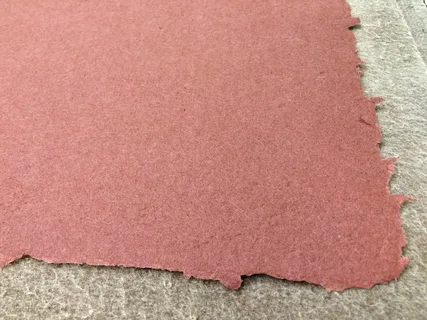
The global retail and professional publishing sectors of early 2026 are operating under a mandate for extreme material efficiency and "color-critical" transparency. Central to this transition is the strategic utilization of pigmented paper, a versatile format that bridges the gap between traditional uncoated sheets and high-gloss plastic-based substrates. Unlike standard paper, pigmented variants utilize fine particles of calcium carbonate or kaolin clay to fill the microscopic voids between cellulose fibers, creating a smoother surface that prevents excessive ink absorption. This shift toward "surface-engineered" substrates is particularly evident in the premium catalog and direct mail segments, where reducing ink consumption while maintaining high image contrast is a critical factor for operational cost-efficiency and brand trust.
According to a recent report by Market Research Future, the Pigmented Paper Market is benefiting from a strategic focus on multi-functional application technologies and high-volume commercial demand. This trend is a key pillar of recent Pigmented Paper Market Share analysis, which reveals that the Advertising and Promotion application segment remains the largest revenue driver, accounting for over 42% of the total market in 2025. Within this segment, the rise of "intelligent print" solutions has spurred a demand for pigmented papers that support embedded NFC tags and QR codes with high scannability. Key industry players are increasingly focusing on "Matte-Finish Pigmentation," which is projected to grow rapidly due to its glare-free readability and sophisticated aesthetic appeal in the high-end book and magazine markets.
As we look toward the mid-2030s, the focus is shifting toward "Smart Surface Functionalization" and the expansion of the antimicrobial packaging niche. We are seeing early-stage development of pigmented papers treated with active mineral barriers that inhibit bacterial growth, making them ideal for healthcare brochures and food-contact inserts. Furthermore, the move toward "Zero-Plastic Barrier Coatings"—ensuring that even highly pigmented and glossy papers remain fully biodegradable—is helping the industry achieve its long-term goal of total waste reduction. By 2035, the market will be a foundational pillar of Sustainable Logistics, providing the essential, high-durability, and ecologically neutral materials required to protect and empower global populations in a world of increasingly sophisticated visual communication.

 English
 Arabic
 Spanish
 Portuguese
 Deutsch
 Turkish
 Dutch
Dutch
 Italiano
 Russian
 Romaian
 Portuguese (Brazil)
 Greek
Greek