


The Science Behind Rhinoplasty: How Nose Reshaping Works
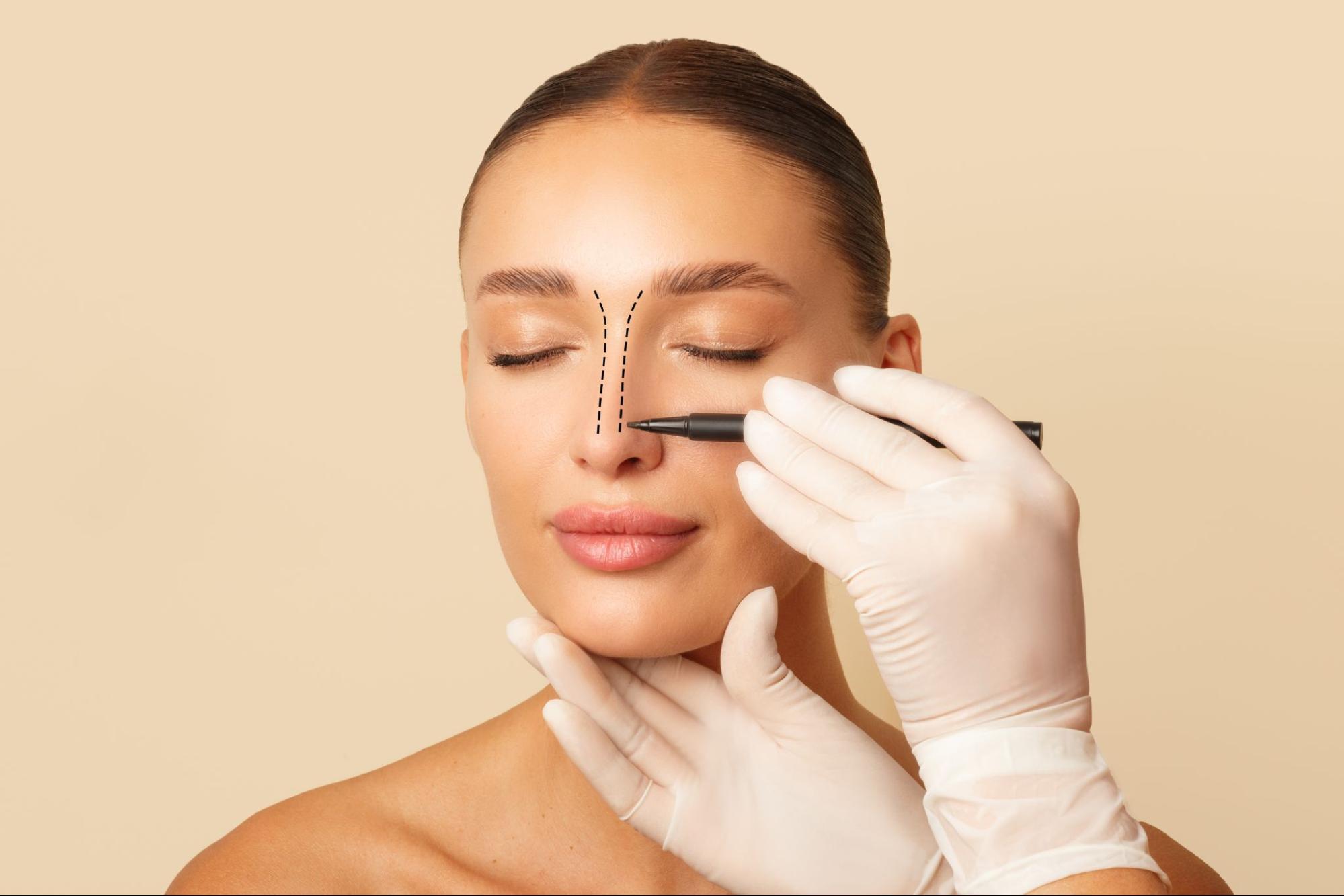
If you are considering enhancing your facial features or correcting breathing issues, nose surgery Riyadh(عمليات تجميل الانف في الرياض) provides advanced techniques tailored to your unique needs. Rhinoplasty, commonly known as a nose job, is a delicate surgical procedure that combines medical science and artistic precision to reshape the nose. Understanding the underlying principles, methods, and recovery process can help patients make informed decisions and set realistic expectations for this transformative procedure.
Understanding Rhinoplasty:
Rhinoplasty is a surgical intervention designed to modify the shape, structure, and function of the nose. Surgeons perform this procedure for cosmetic improvement, functional correction, or both. The science behind rhinoplasty involves a detailed understanding of nasal anatomy, including bone, cartilage, and soft tissue. Key objectives of rhinoplasty include:
-
Enhancing facial balance and symmetry
-
Correcting structural defects such as a deviated septum
-
Repairing injury-related nasal deformities
-
Improving airflow and breathing efficiency
By combining anatomical knowledge with aesthetic goals, surgeons can achieve outcomes that are both functional and visually harmonious.
Anatomy of the Nose:
A successful rhinoplasty relies on a thorough understanding of nasal anatomy. The nose comprises:
-
Bone and cartilage: Provide structural support and shape
-
Skin and soft tissue: Cover the framework and influence aesthetic appearance
-
Internal nasal passages: Ensure proper airflow and respiratory function
Surgeons carefully assess these structures to plan a procedure that maintains or improves nasal function while achieving the desired appearance.
Techniques Used in Rhinoplasty:
Modern rhinoplasty uses several surgical techniques, depending on the patient’s goals and anatomical needs. Common approaches include:
-
Open Rhinoplasty: Involves a small external incision for better visibility
-
Closed Rhinoplasty: Incisions are made inside the nostrils to minimize scarring
-
Tip Refinement: Focuses on reshaping the nasal tip for symmetry
-
Septoplasty Integration: Corrects internal deviations to enhance breathing
The chosen technique directly affects recovery time, precision, and the final outcome, allowing surgeons to tailor procedures to individual requirements.
Pre-Surgery Planning:
Preparation is critical for achieving optimal results in rhinoplasty. Patients should:
-
Consult with a board-certified surgeon experienced in nasal procedures
-
Discuss medical history and any previous nasal surgeries
-
Undergo imaging or 3D modeling to visualize expected results
-
Avoid medications that increase bleeding risk
-
Arrange support and rest periods for post-operative care
Thorough planning helps minimize complications and ensures the surgical approach aligns with the patient’s goals.
The Role of Technology:
Advancements in medical technology have revolutionized rhinoplasty. Surgeons now utilize tools and techniques that enhance precision and safety:
-
3D imaging: Provides a detailed view of nasal structures
-
Computer-assisted surgical planning: Simulates expected outcomes
-
Advanced anesthesia techniques: Improve patient comfort and safety
-
Minimally invasive instruments: Reduce trauma and speed up recovery
These innovations allow surgeons to combine science and artistry for consistently better results.
Recovery Process:
Healing after rhinoplasty is a carefully monitored process. Patients should follow post-operative instructions to ensure successful outcomes. Key considerations include:
-
Managing swelling and bruising during the first two weeks
-
Keeping the head elevated to reduce discomfort
-
Avoiding strenuous activities and contact sports
-
Taking prescribed medications for pain management and infection prevention
-
Attending follow-up appointments to monitor progress
Adhering to these guidelines supports proper healing and enhances the overall aesthetic and functional results.
Risks and Considerations:
While rhinoplasty is generally safe, it carries potential risks that patients should understand. These include:
-
Infection or excessive bleeding
-
Scarring or asymmetry
-
Breathing difficulties due to structural changes
-
Unsatisfactory cosmetic results requiring revision surgery
Selecting a highly experienced surgeon minimizes these risks and increases the likelihood of a successful procedure.
Benefits of Rhinoplasty:
Rhinoplasty offers a combination of aesthetic and functional benefits, which often enhance a patient’s confidence and quality of life. These benefits include:
-
Improved facial harmony and proportional balance
-
Enhanced breathing and nasal function
-
Correction of congenital or injury-related deformities
-
Increased self-esteem and satisfaction with appearance
Understanding these advantages helps patients weigh the value of the procedure and make informed decisions about surgery.
Final Thoughts:
The science behind rhinoplasty demonstrates that nose reshaping is both an art and a precise medical procedure. For individuals considering cosmetic or functional improvement, nose surgery Riyadh provides access to skilled surgeons and modern techniques that maximize safety and results. By understanding nasal anatomy, surgical options, and recovery protocols, patients can approach rhinoplasty with confidence, ensuring that the procedure meets both their aesthetic and functional expectations.

 English
 Arabic
 French
 Spanish
 Portuguese
 Deutsch
 Turkish
 Dutch
Dutch
 Italiano
 Romaian
 Portuguese (Brazil)
 Greek
Greek