


Precision Asset Shielding: Navigating the Anti Corrosive Packaging Market Forecast
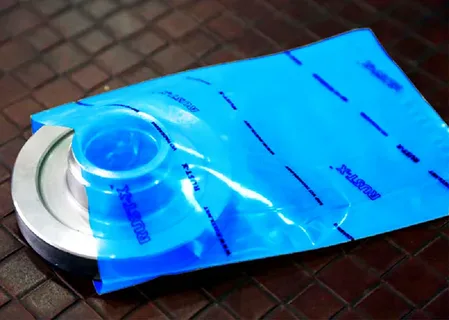
In the high-stakes global logistics landscape of early 2026, the mandate for "zero-defect" shipping has elevated protective materials from secondary supplies to primary asset-protection strategies. Anti-corrosive packaging, specifically Volatile Corrosion Inhibitor (VCI) technology, has become the gold standard for preserving the integrity of metallic components during transoceanic transit. These advanced materials work by releasing a specialized molecular vapor that forms an invisible, electrochemical barrier on the metal's surface, neutralizing the corrosive effects of moisture, salt, and oxygen. This proactive approach eliminates the need for messy grease or oils, allowing high-value aerospace turbine blades, automotive engines, and micro-electronic sensors to move directly from the shipping crate to the assembly line with no secondary cleaning required.
According to a recent report by Market Research Future, the Anti Corrosive Packaging Market is witnessing a transformative era of growth driven by the expansion of global machinery and heavy engineering. The industry was valued at approximately USD 1.05 billion in 2024 and is projected to reach USD 1.77 billion by 2035. This trajectory is a central focus of the Anti Corrosive Packaging Market Forecast, which anticipates a compound annual growth rate (CAGR) of 4.87% through 2035. The research identifies the VCI Paper and Plastic Film segments as dominant revenue contributors, while the Automotive end-use sector remains the primary market driver. Geographically, while North America maintains a leading innovation share, the Asia-Pacific region is emerging as the fastest-growing hub for industrial packaging consumption.
Looking toward the mid-2030s, the focus is shifting toward "Bio-Based Vapor Inhibitors" and the expansion of the smart-logistics niche. We are seeing a significant move toward using natural, plant-derived corrosion inhibitors that offer high efficacy without the environmental concerns associated with nitrite-based chemicals. Additionally, the move toward "Sensor-Integrated Packaging"—which can provide real-time data on internal humidity levels or signal when the VCI concentration has dropped below protective thresholds—is helping to turn passive crates into diagnostic tools. By 2035, the market will likely be defined by Oxidative Resilience, providing the essential, low-impact, and multi-functional materials required to protect global industrial assets in an increasingly complex and resource-conscious global economy.

 English
 Arabic
 French
 Spanish
 Portuguese
 Deutsch
 Turkish
 Italiano
 Russian
 Romaian
 Portuguese (Brazil)
 Greek
Greek