


Acrylic Emulsions Market: Strategic Overview and Business Opportunities
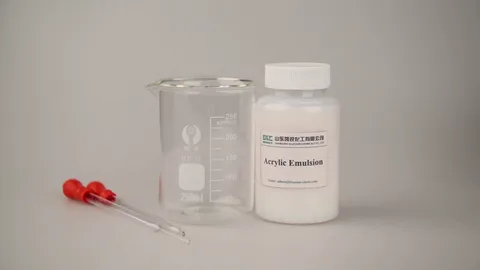
Acrylic emulsions are increasingly central to modern formulation strategies as industries prioritize performance, durability, and environmental compliance. Their water-based nature, combined with strong adhesion and weather resistance, makes them suitable for a wide range of applications including architectural coatings, industrial paints, adhesives, and construction chemicals. As building activity and renovation work continue across many regions, the need for reliable binders that deliver consistent results remains strong.
According to a recent report by Market Research Future, the Acrylic Emulsions Market benefits from sustained demand in construction and manufacturing, where coatings and sealants play a critical role in protecting assets and enhancing aesthetics. Growth is not limited to new construction; maintenance and refurbishment projects also consume significant volumes of acrylic-based products. This creates a dual demand stream that helps stabilize consumption across economic cycles.
Suppliers are supporting expansion by refining polymer architectures and improving production efficiency. Incremental gains in film formation, durability, and resistance to environmental stress translate into better end-user performance and broader application suitability. At the same time, improvements in manufacturing processes help control costs and ensure reliable supply, which is essential for high-volume markets such as architectural coatings.
Regional investment patterns influence growth trajectories. Emerging economies with rapid urbanization tend to show higher incremental demand due to new housing and infrastructure projects. In mature markets, growth is often driven by renovation, energy efficiency upgrades, and the shift toward premium, longer-lasting coating systems. These different drivers reinforce the market’s overall resilience.
From a strategic perspective, Acrylic Emulsions Market Growth is closely linked to the continued transition from solvent-based to water-based technologies. Regulatory pressure and customer preferences favor low-emission solutions, and acrylic emulsions are among the most established options in this space. This structural shift provides a supportive backdrop for steady, demand-led expansion.
Looking ahead, growth is expected to remain incremental and broadly aligned with construction activity and industrial production. As performance expectations rise and sustainability requirements tighten, acrylic emulsions should continue to capture share within the broader coatings and adhesives ecosystem.

 English
 Arabic
 French
 Spanish
 Portuguese
 Deutsch
 Turkish
 Italiano
 Russian
 Romaian
 Portuguese (Brazil)
 Greek
Greek