


Sustainable Industrial Efficiency and the Anti-Foaming Agent Market
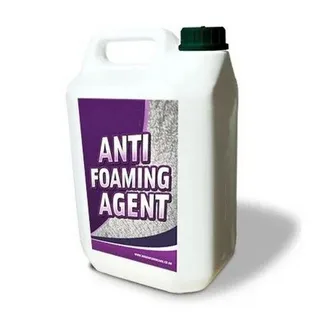
In the high-velocity industrial landscape of early 2026, the management of foam has transitioned from a routine maintenance task to a critical pillar of process optimization. Anti-foaming agents—specialized chemical additives designed to prevent and dissipate foam—are now essential for ensuring the volumetric efficiency of large-scale reactors and high-speed mixing systems. As global industries move toward "closed-loop" manufacturing, the presence of unwanted foam can lead to equipment cavitation, reduced heat transfer, and product contamination. Modern silicone and non-silicone defoamers are being precision-engineered to operate under the extreme temperatures and varying pH levels typical of the late 2020s, ensuring that production lines in the chemical, food, and pharmaceutical sectors maintain maximum throughput with minimal chemical intervention.
According to a recent report by Market Research Future, the Anti-Foaming Agent Market reached an estimated valuation of USD 7.08 billion in 2025 and is projected to reach USD 9.60 billion by 2035, exhibiting a steady compound annual growth rate (CAGR) of 3.09%. This expansion is a primary focus of recent Anti-Foaming Agent Market Research, which identifies silicone-based agents as the dominant type due to their superior performance in high-pressure environments. However, the non-silicone-based segment is experiencing rapid growth, driven by increasing environmental regulations and the demand for biodegradable solutions. Geographically, the Asia-Pacific region continues to lead with an estimated 43.9% market share, fueled by the mass production of chemicals and textiles in China and India.
Looking toward 2035, the market is poised to be redefined by "Bio-Based Defoaming Innovation" and the expansion of the high-purity medical niche. We are seeing a significant move toward using specialized plant-based oils and biodegradable polymers that meet "clean label" requirements in the food and beverage industry. Additionally, the move toward "Smart-Dosing Systems"—utilizing AI-enabled sensors to detect foam levels in real-time and adjust chemical injection accordingly—is helping to reduce overall additive consumption. As the pharmaceutical sector currently holds the largest share of end-user applications, the integration of these high-efficiency, low-impact tools is setting a new standard for clinical safety and industrial responsibility. By 2035, the market will likely be defined by Surface Synergy, providing the essential, high-performance, and eco-neutral tools required to support a more technologically advanced and resource-resilient global economy.

 English
 French
 Spanish
 Portuguese
 Deutsch
 Turkish
 Dutch
Dutch
 Italiano
 Russian
 Romaian
 Portuguese (Brazil)
 Greek
Greek