


How Does Nbcbdz Approach a Low-frequency Transformer Factory?
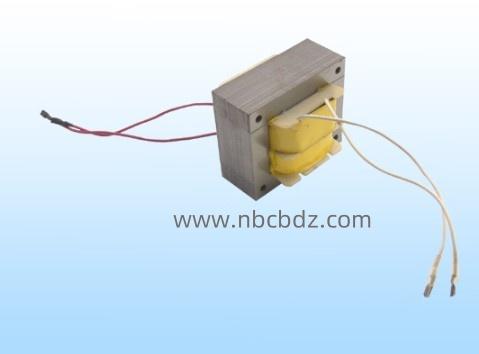
In the evolving field of power and control systems, a Chuangbiao Low-frequency Transformer Factory associated with Nbcbdz reflects a production mindset shaped by balance, patience, and technical clarity. Rather than chasing rapid change, attention is given to how components function steadily over time, supporting equipment that relies on predictable electrical behavior and structural reliability.
Low-frequency transformers are widely used in applications where consistency and durability matter. Their role in power distribution, control cabinets, and industrial equipment requires thoughtful design choices that prioritize stability. From core assembly to coil arrangement, each element is considered in relation to heat behavior, load tolerance, and long-term operation. These considerations influence how smoothly a transformer integrates into a larger system.
Manufacturing such components requires a clear and orderly workflow. Each production stage benefits from defined responsibilities and coordinated transitions. When processes are transparent, teams can focus on accuracy rather than correction. This approach supports consistent output while allowing room for customization based on specific application requirements.
Another important aspect is the relationship between standard procedures and adaptable solutions. While standardized steps help maintain reliability, flexibility allows manufacturers to respond to unique design constraints. This balance supports cooperation with clients across various sectors, where installation conditions and operational expectations may differ.
Communication plays a central role throughout the project lifecycle. Early discussions help clarify technical details, usage environments, and potential limitations. Ongoing dialogue ensures that adjustments can be addressed efficiently without disrupting timelines. This shared understanding reduces uncertainty and supports smoother collaboration from planning through delivery.
Attention to detail extends beyond electrical performance. Mechanical structure, mounting compatibility, and maintenance considerations influence how a transformer performs in real settings. By addressing these factors during design and production, manufacturers help reduce integration challenges and support long-term equipment stability.
Environmental awareness also shapes modern manufacturing practices. Responsible material handling, efficient workflows, and mindful resource use reflect a broader commitment to sustainable operations. These considerations encourage steady improvement without unnecessary complexity.
For engineers and project planners, selecting a transformer manufacturer often involves evaluating more than specifications alone. Reliability, communication habits, and the ability to align with real-world constraints all contribute to trust. When these elements come together, cooperation becomes a long-term exchange rather than a single transaction.
As you reflect on how thoughtful manufacturing supports dependable power solutions, consider taking a quiet step further. The path continues at https://www.nbcbdz.com/product/ , where ideas, practices, and possibilities await those ready to look a little deeper.

 English
 Arabic
 Spanish
 Portuguese
 Deutsch
 Turkish
 Dutch
Dutch
 Italiano
 Russian
 Romaian
 Portuguese (Brazil)
 Greek
Greek