

The Science of Sobriety: Inside the Shift to Interventional Psychiatry
The landscape of addiction recovery is undergoing a quiet but profound transformation. Gone are the days when treatment was solely defined by group circles and 12-step handbooks. Today, facilities like Casa Privee are spearheading a movement toward interventional psychiatry, where advanced technology meets compassionate care. At the forefront of this shift is Transcranial Magnetic Stimulation (TMS), a modality that is redefining what it means to heal.
A New Era of Treatment
For years, the medical community viewed addiction primarily through a behavioral lens. While behavior modification remains important, it often overlooks the physiological "hardware" problem: the brain itself. The industry is now pivoting toward a model that prioritizes brain health. This approach acknowledges that a chemically dependent brain needs physical repair before it can fully engage in psychological therapy. Without addressing the organic damage caused by substance abuse, talk therapy often hits a wall. Interventional psychiatry seeks to remove that wall by restoring the brain's physical capacity to function.
How TMS Fits the Narrative
TMS represents a bridge between psychiatry and neurology. It involves the use of a magnetic coil placed against the scalp, which delivers magnetic pulses to specific brain regions. These pulses pass through the skull and induce small electrical currents that stimulate nerve cells. In the context of addiction, this stimulation targets the reward pathways that have been hijacked by drugs or alcohol. It is a precise, targeted intervention that contrasts sharply with the "one size fits all" medication approach of the past. Instead of flooding the whole body with chemicals, TMS speaks directly to the neurons that need help.
The Patient Experience
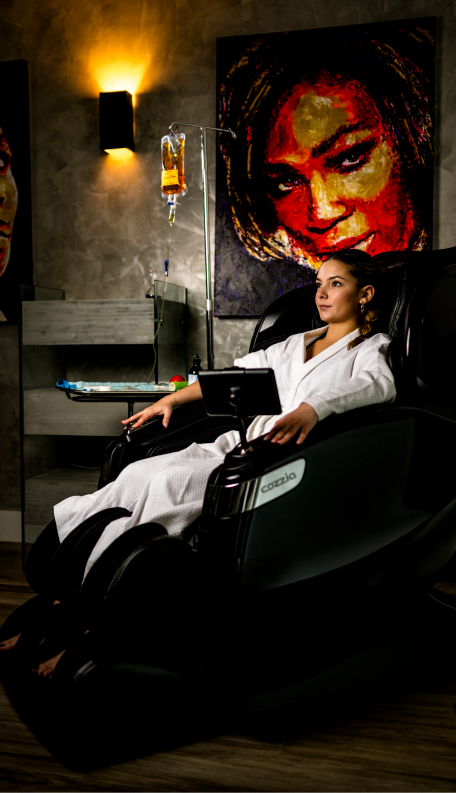
Walking into a modern treatment center today feels less like entering a hospital and more like visiting a high-end wellness institute. Patients undergoing TMS describe the sensation as a light tapping on the head. There is no sedation, meaning patients can drive themselves to and from appointments.
This accessibility is a key factor in the growing popularity of the treatment. It allows for a continuity of life that traditional inpatient stays often disrupt. Professionals can continue to work, and parents can continue to care for their families, all while receiving hospital-grade neurological care.
The Miami Connection
Miami has long been a hub for medical innovation, and its addiction treatment sector is no exception. As demand grows for more sophisticated, evidence-based care, the city has seen a rise in facilities specializing in neuro-technologies. Finding a top-tier addiction treatment center in Miami now means looking for clinics that offer these advanced modalities alongside traditional care. The standard has been raised, and patients are the beneficiaries of this technological evolution.
The story of addiction treatment is being rewritten by science. As we learn more about the brain's plasticity, tools like TMS are becoming indispensable. They offer a narrative of hope not just based on faith, but on tangible, biological change.
Discover how interventional psychiatry and TMS can change your recovery story. Contact Casa Privee to schedule a consultation with their expert team. You can find them online at https://www.casaprivee.com/.

 English
 Arabic
 French
 Spanish
 Portuguese
 Deutsch
 Turkish
 Dutch
Dutch
 Italiano
 Romaian
 Portuguese (Brazil)
 Greek
Greek