


The Digital Engine of Global Exploration: An Introduction to the Travel Technology Industry
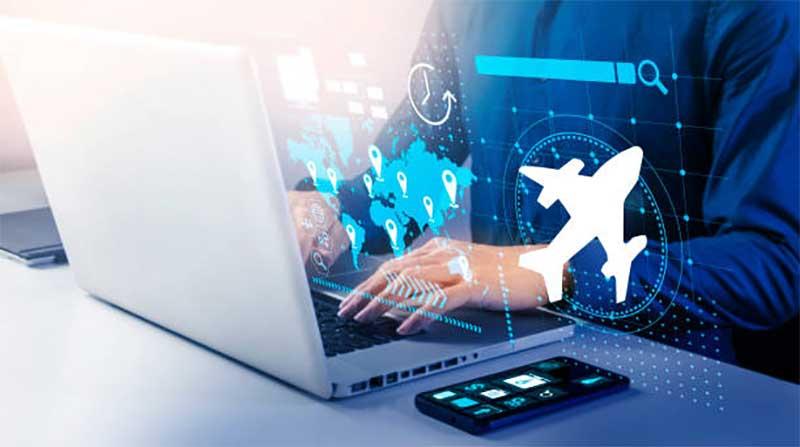
In the modern era, the journey of a thousand miles begins not with a single step, but with a single click. This digital-first reality is powered by the vast and intricate Travel Technology industry, a sector that provides the essential software, systems, and platforms that underpin the global travel and tourism ecosystem. Travel technology, often called "Travel Tech," is the comprehensive term for the information technology and e-commerce solutions applied to the travel industry. It is the invisible yet indispensable engine that facilitates everything from a traveler's initial search for a flight to their final hotel checkout. It encompasses the complex databases that store airline and hotel inventory, the consumer-facing websites that allow for seamless booking, the operational software that manages a hotel's daily functions, and the mobile apps that serve as a traveler's in-pocket concierge. This industry has fundamentally democratized travel, shifting power from a handful of gatekeepers to the individual consumer and creating a more connected, efficient, and data-driven world of exploration for businesses and leisure travelers alike.
The industry's architecture can be broadly understood through two interconnected realms: the back-end systems that manage supply and the front-end platforms that serve demand. The historical and still-critical back-end is dominated by Global Distribution Systems (GDS). These are massive, centralized networks, with giants like Amadeus, Sabre, and Travelport at the helm, that aggregate vast inventories of flight schedules, hotel room availability, and rental car data. They act as the B2B marketplaces connecting the suppliers (airlines, hotels) with the sellers (traditional travel agencies and Online Travel Agencies). Alongside the GDS, individual travel suppliers rely on their own core operational software. Airlines use complex Passenger Service Systems (PSS) to manage reservations, ticketing, and departure control. Hotels use Property Management Systems (PMS) to manage room inventory, reservations, check-ins, and billing. These powerful back-end systems are the operational heart of the travel industry, handling millions of transactions and complex logistical data every second to ensure that the global travel machine runs smoothly and efficiently.
On the front-end, the industry is defined by the platforms that directly engage with the traveler. The most prominent of these are the Online Travel Agencies (OTAs) like Expedia Group and Booking Holdings. These consumer-facing giants have revolutionized how people plan and book travel, offering a one-stop-shop where users can compare prices and book flights, hotels, car rentals, and tours from a vast array of providers. They are complemented by metasearch engines such as Skyscanner and Kayak, which don't sell travel directly but instead aggregate results from hundreds of other sites, including OTAs and airline-direct websites, to provide a comprehensive price comparison tool for consumers. The rise of mobile technology has further transformed this landscape, with mobile apps becoming the primary interface for many travelers. These apps provide not only booking capabilities but also in-trip functionalities like mobile check-in, digital boarding passes, real-time flight alerts, and interactive maps, placing the power of a full-service travel agent directly into the palm of the traveler's hand.
Ultimately, the travel technology industry is a complex web of interconnected systems designed to create a seamless flow of information and transactions from the supplier to the traveler and back again. When a user searches for a flight on an OTA, that query travels through a GDS or a direct API connection to check real-time availability and pricing from multiple airlines' PSS. When a booking is made, the information flows back through the chain to confirm the reservation and update the inventory across all channels. This intricate digital choreography, invisible to the end-user, is what makes modern travel possible. It has replaced the cumbersome, manual processes of the past with a highly automated, data-rich ecosystem that provides unparalleled choice, transparency, and convenience. As technology continues to evolve, this industry will continue to be at the forefront of innovation, shaping the future of how we explore and experience the world.
Top Trending Reports:

 English
 French
 Spanish
 Portuguese
 Deutsch
 Turkish
 Dutch
Dutch
 Italiano
 Russian
 Romaian
 Portuguese (Brazil)
 Greek
Greek