


How to Buy a Foreclosed Home?
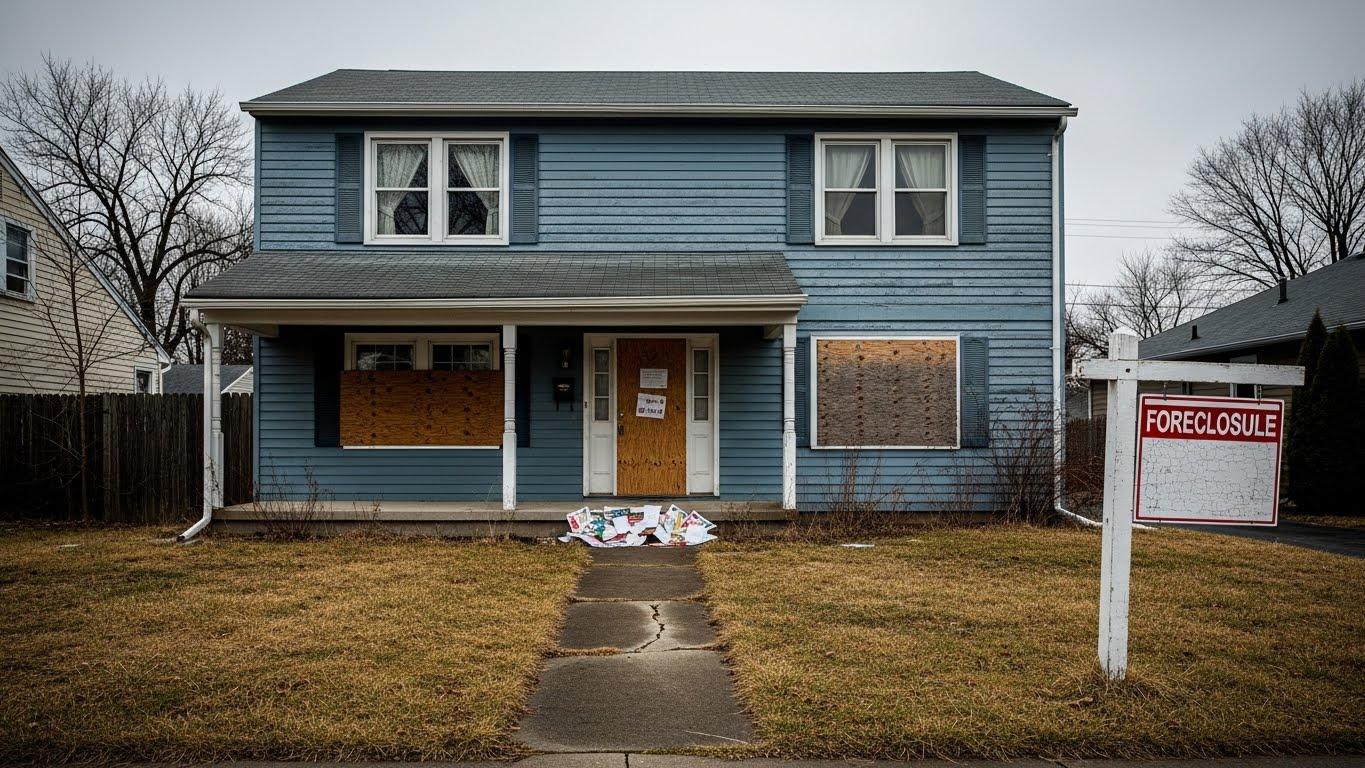
Buying a foreclosed house may be a favorable option for a lot of homebuyers. Foreclosures are mortgages that the lenders have repossessed because the past owner was unable to afford the mortgage payments. These homes are usually sold at prices lower than traditional real estate, and they can present a bargain to savvy buyers in negotiating through the exercise.
The acquisition of a foreclosure may, however, be a bit more complicated than that of a normal property. The key to successful purchase of a foreclosed home is to understand the steps to be followed, possible risks, and methods of getting a foreclosure.
Understand the Types of Foreclosures
It is also important to know the various forms of foreclosures before you start your search, as this will determine the process of buying and also the cost involved:
-
Pre-Foreclosure: It is a situation that arises when the mortgage holder has failed to pay a few payments, and the lending company sends a default notice. It is during this phase that the homeowner can still make a sale to avoid foreclosure, giving the chance to the buyers to buy the property directly off the hands of the homeowner.
-
Bank-Owned (REO) Properties: Bank-owned (REO) properties are those properties that were not sold at auction. The bank then sells the property, usually via a real estate agent. This is usually a safe type compared to auctions in that the bank has a clear title and might carry out repairs.
-
Auction Properties: A public auction is common for enclosures. Auctions are also able to offer the lowest prices, although a buyer should be careful because they are normally sold as-is and, in most cases, they need cash.
During this early research phase, buyers carefully assess cost expectations, repair budgets, and renovation expenses. To get reliable numbers before making an offer, many turn to the top construction estimating services in usa, which provide accurate cost evaluations that help determine whether a foreclosed property is truly a profitable investment.
Get Pre-Approved for Financing

The funding is an important process in acquiring a foreclosure. Most of the foreclosed properties require the prospective buyers to be pre-approved to have a mortgage or have the capacity to pay in cash. Pre-approval from the lenders and sellers shows that you are a serious buyer. Steps to take include:
-
Verifying your credit rating and making sure it is good.
-
Comparison of the mortgage rates of various lenders.
-
Pre-qualification for a loan at a rate that you can afford.
-
Taking into account other expenses, including repairs, closing expenditure, and insurance.
Financial preparedness greatly helps, as you need to be able to move fast when a good foreclosed house comes on the market.
Listings Research Foreclosure.
Special research is needed to locate the foreclosed properties. These homes may be found in many resources:
-
Online Foreclosure Listings: Websites such as Zillow, Realtor.com, and local real estate portals usually provide foreclosed houses.
-
Government Programs: HUD, Fannie Mae, and Freddie Mac contain homes that are foreclosed and can be sold.
-
Real Estate Agents: Agents who have operated in the foreclosure field are able to give information on local markets and can get properties before they are heavily marketed.
The location, neighborhood, and market value of the property should be paid attention to secure a smart investment.
Assessment of the Property Condition
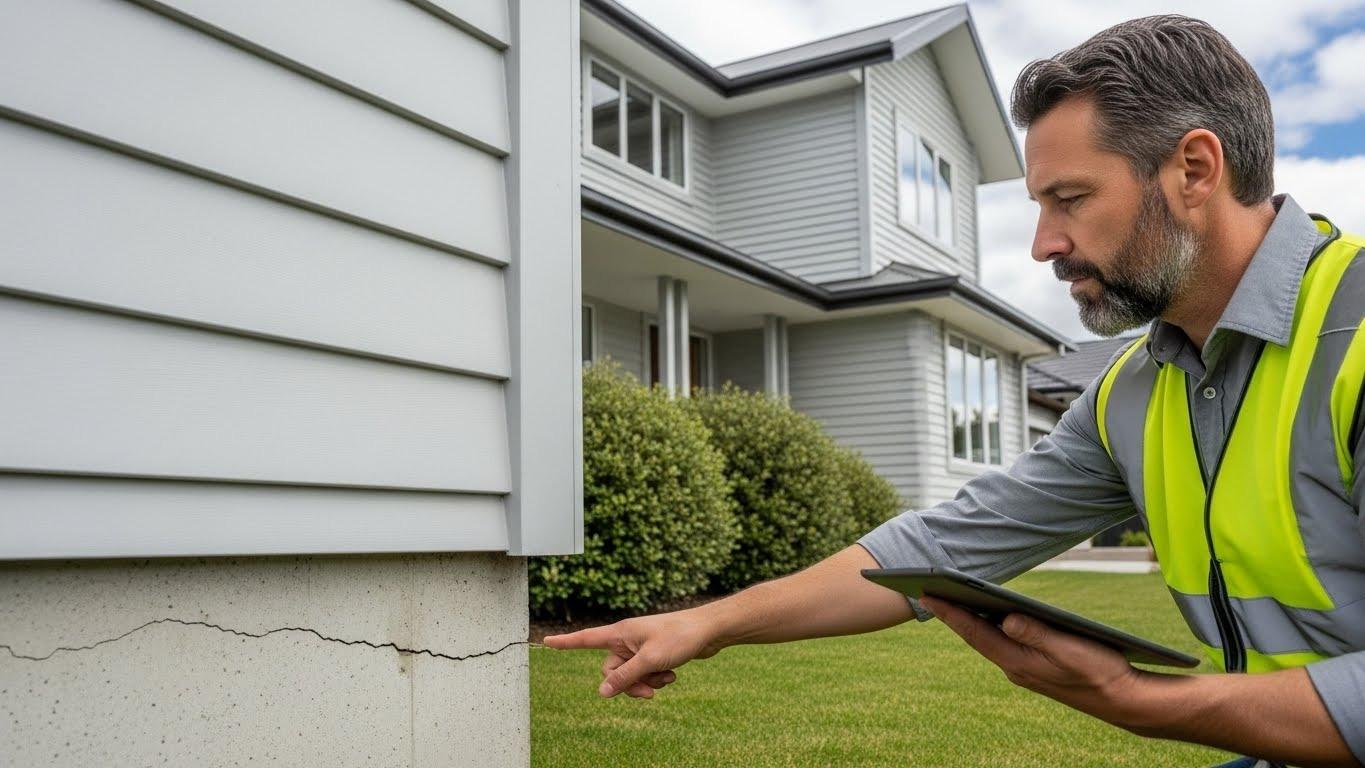
The foreclosed houses are normally sold as-is. This implies that you will face damage, or even delayed maintenance, or vandalism. It is important to conduct a careful evaluation:
-
Contract a Professional Inspector: An inspection will reveal structural, plumbing, or electrical problems, and safety hazards.
-
Estimate Repair Costs: You should be aware of the costs of the required repairs and renovations and be able to make an offer. These costs should be added to your budget.
-
Evaluate Market Value: It is a check to evaluate the similar homes in the locality to understand whether the price accurately reflects the value of the property after renovations.
Knowledge of the cost of repair will help avoid unnecessary costs after buying.
Make a Competitive Offer
After locating a foreclosed house, it is time to make an offer. The approaches to different types of foreclosure differ:
-
In the case of the Bank-Owned Properties, the bank might be ready to compromise on the price; however, they usually are very quick to accept serious offers. Present an offer that is competitive and supported by pre-approval.
-
In the case of Auction Properties, Research on the value of the property has a limit on the bid. Always be ready to act on impulse, and cash may be needed.
-
In the case of Pre-Foreclosures, negotiate with the homeowner or his/her lender. This can include short sales where the lender can accept a lesser price than the outstanding mortgage.
One must collaborate with a real estate agent who is conversant with foreclosures in order to make an offer that is competitive and yet realistic.
Understand Legal and Financial Considerations
There are other legal and financial issues with foreclosure purchases. Buyers must be aware of:
-
Title Issues: Make sure that there is a clear title to the property and verify that there are no liens on or unpaid taxes against the property. A title business can help this.
-
Closing Costs: You may expect to pay closing costs that may comprise attorney fees, recording fees, and escrow expenses.
-
Insurance Requirements: New insurance policies may be needed in some foreclosed houses, especially in cases where there is a need to repair the house.
Due diligence minimizes the potential risk of having unexpected costs or legal issues upon acquisition.
Close the Deal
Once negotiations, inspections, and finance arrangements are done, the final step is closing. The foreclosure closing is like the typical home purchase closing, though it can include more steps:
-
Sign the Contract: Sign all documents attentively, including disclosures and contingencies.
-
Fund the Purchase: make sure your Purchase mortgage or cash transfer is ready.
-
Transfer Ownership: This is whereby a deed of the property is transferred to your name, and you become the owner of the property.
-
Plan Renovations or Repairs: Book all required renovations before you move in to make sure that the home is safe and habitable.
Closely coordinating with your real estate agent, lender, and attorney can be an efficient process.
Consider Renovations and Long-Term Planning

Once a foreclosed home has been bought, it is also likely that it will need renovations to be done to it. Consider:
-
Repairing the most important things, including roofing, plumbing, or electrical systems.
-
Improving interiors to enhance comfort and sale price.
-
Maintenance and enhancement budgeting.
When you foreclose the home properly, your home will turn into a good and comfortable asset.
Tips for Success When Buying a Foreclosure
-
Strike Fast: Foreclosures are usually sold at a faster rate compared to regular homes. It means that you can make decisions on time when you are ready.
-
Do Your Homework: Learn about the market, the condition of the property, and the cost to be incurred.
-
Hire Professionals: Real estate agents, inspectors, and attorneys with experience in foreclosures will save you time and money.
-
Have Flexibility: You should be prepared to alter your plans in case of sudden problems, repairs, or delays.
-
Budget on the Low Side: It is better to always consider the cost of repair, closing fees, and upgrades.
Conclusion
Foreclosure purchases are one of the cost-effective methods of investing in real estate, yet they need proper planning, research, and preparation. The type of foreclosures, obtaining financing, assessing the property, and legal and financial knowledge are among the steps that have to be undertaken to have a successful purchase.
The cooperation with skilled specialists and planning of repair or renovation will contribute to making a former foreclosed house a valuable and comfortable house. Through careful consideration of the process, the buyers can capitalize on lower prices and reduce risks, which will make a foreclosed home an excellent investment in the future.
FAQs
Are foreclosed homes a good deal?
The foreclosures are frequently at lower-than-market prices, and they may have saving potential. Nevertheless, they may need repairs, and they can be more dangerous.
Can I finance a foreclosed home?
A great number of foreclosed houses are available using traditional or FHA mortgages, but there are some foreclosed properties that might need cash as payment.
Do I need an inspection for a foreclosed home?
Absolutely. Check-ups expose concealed problems, and help you right on the approximate repair costs.

 English
 Arabic
 French
 Spanish
 Portuguese
 Deutsch
 Turkish
 Dutch
Dutch
 Russian
 Romaian
 Portuguese (Brazil)
 Greek
Greek